
Connecting with a family member affected by dementia can be challenging, but it’s also deeply rewarding. Although verbal communication becomes difficult, there are numerous ways to connect and convey love and understanding without words.
At Legacy Ridge, our compassionate caregivers excel in daily communication with residents living with dementia. This proficiency enables them to adeptly address each individual’s needs, wishes, and preferences. Today, we are sharing five effective dementia communication techniques used in our memory care community in Gainesville, VA, to help you connect more meaningfully with your family member and improve your interactions.
Communicating Through Body Language
When words fail, our bodies can express emotions and intentions clearly. Simple gestures such as holding hands, gentle touches, and warm hugs can convey love and reassurance. Eye contact and facial expressions can also communicate empathy and attention.
Tips on Using Body Language Effectively
- Be present: Ensure your family member feels seen and acknowledged by maintaining eye contact and facing them directly.
- Gentle touch: Use soft, reassuring touches to convey warmth and support. Avoid sudden or harsh movements that might startle them.
- Mirroring: Reflect their emotions through your expressions and gestures, showing that you understand and share their feelings.
Voice Tone and Appearance

The tone of your voice and your appearance can significantly impact how a family member with dementia perceives and responds to you. A soothing, calm voice can ease anxiety. Your appearance, including facial expressions and attire, also plays a role in setting the tone for interactions.
How to Adapt Voice and Appearance for Effective Communication
- Speak softly: Use a gentle, reassuring tone. Avoid raising your voice or speaking too quickly.
- Smile often: A warm smile can convey kindness and patience.
- Dress comfortably: Wear familiar, non-intimidating clothes to make your family member feel at ease.
Environmental Cues
Creating a supportive setting is essential for individuals with dementia, as familiar surroundings can significantly enhance their sense of safety and well-being. Environmental cues can help trigger memories and foster connection during conversations.
Tips for Optimizing a Space
- Familiar settings: Arrange furniture and objects in ways that feel familiar to your family member as this can evoke comfort and recognition.
- Reduce noise: Limit background distractions like loud music or television so your family member can focus on communication without feeling overwhelmed.
- Visual prompts: Incorporate familiar photographs, cherished items, or visual signs to encourage engagement and stimulate conversation.
Emotional Connection
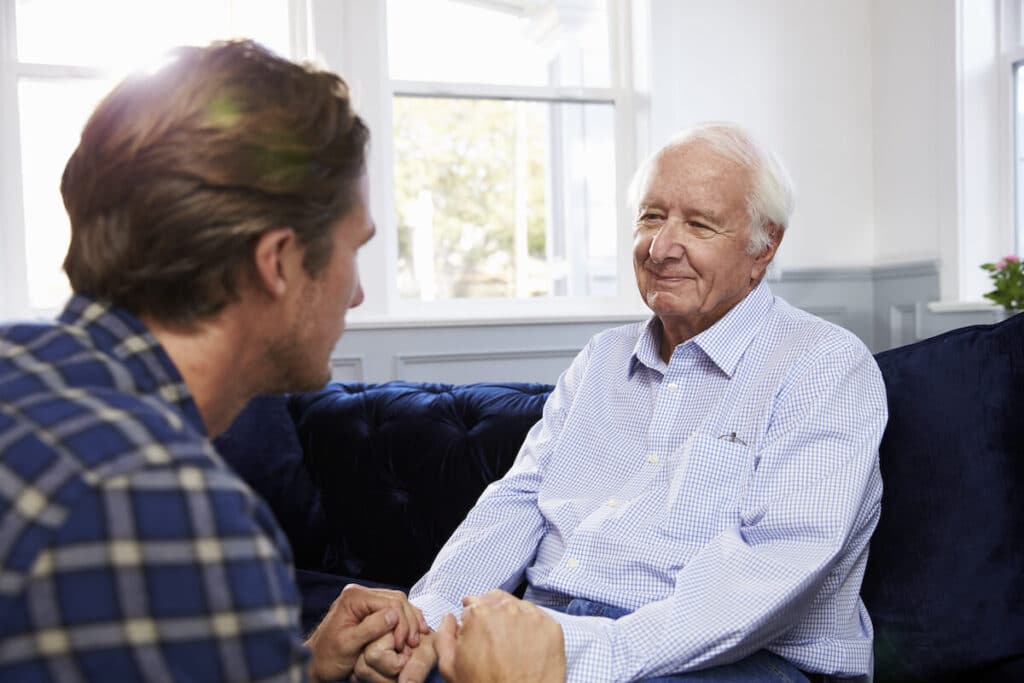
Empathy and patience are crucial when communicating with someone affected by dementia. This approach can bridge the gap when words are elusive, creating a deep bond that transcends verbal language.
Ways to Foster Emotional Connection
- Share memories: Talk about happy times spent together by recalling meaningful moments, allowing emotions to flow and memories to resurface.
- Active listening: Even when your family member has trouble articulating their thoughts, show that you are fully engaged and listening with compassion.
- Validate feelings: Acknowledge their emotions, whether they express joy, frustration, or confusion, reinforcing that their feelings matter and are respected.
Using Visual Aids
Visual aids are powerful tools for enhancing communication with individuals with dementia. They can facilitate understanding and provide clarity during interactions, making conversations more accessible and relatable.
Suggestions for Implementing Visual Aids
- Picture boards: Create boards with images representing daily activities, emotions, or family members, helping your relative express themselves when words might fail.
- Written cues: When necessary, reinforce your communication with simple words or phrases displayed in clear, readable text.
- Familiar objects: Incorporate tangible items related to discussions, such as items from hobbies or previous interests, to spark dialogue and evoke memories. Our Legacy Kit program helps individuals and their families build a physical representation of the most important events and interests in the resident’s life, including photographs, mementos, and objects that embody a person’s experiences. Each item opens up new opportunities to share stories, revisit those memories, and pass them on to children and grandchildren to preserve your family member’s legacy.
—
Communicating with a family member with dementia requires patience, creativity, and empathy. While words may become elusive, non-verbal dementia communication techniques can help you connect deeply and meaningfully. Remember, each person with dementia is unique, and what works for one may not work for another. Experiment with these techniques and remain flexible. Your efforts will make a difference in fostering connection and understanding.For those seeking specialized dementia care, consider contacting a member of our Legacy Ridge team. Experience what we offer for yourself by scheduling a personalized visit to our memory care community in Gainesville, VA, and discover how we can support you and your family member in this journey.